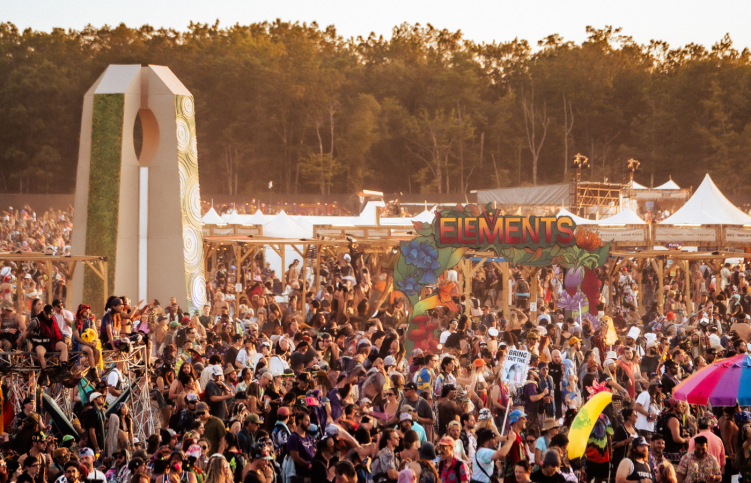
Live music festivals have changed greatly over time in how performances are documented, how they are promoted, and what the audience experiences. During those years, they had access to live streams from concerts or videos recorded at events themselves for an instant view into what was going on during festivals.
Currently, live streaming videos are dominating music media by transforming large-scale festivals into interactive platforms of entertainment. Touring DJs, festival organizers, and music journalists are converting high-energy mainstage performances, back-of-house artist interactions, and audience reactions into 15-to-30-second video clips for global listeners.
But there is an issue in translating this huge soundscape from a live concert booming bass music, bright lights, and large audience excitement into viral videos through proper strategy. Content creators must master low-light camera settings, audio stabilization, fast-paced editing, and platform algorithm mechanics to ensure their clips stand out in crowded feeds.
When event promoters, festival videographers, and independent artists look to build immediate authority on competitive discovery feeds, partnering with a trusted platform for getting more TikTok followers provides a strategic mechanism to establish early social proof, helping high-octane festival coverage break through feed clutter and reach passionate music communities.
1. Structuring High-Impact Festival Clips for Maximum Viewer Retention
Watch time, completion rate, and shares are more important than anything else for short-form videos. A festival recap clip that doesn’t grab an audience in its opening moments will cause viewers to scroll past it instead of watching videos being distributed. Festival videographer success is achieved by structuring main stage highlights and crowd moments for a constant flow of images.
- The Immediate Drop Hook: The Immediate Drop Hook is to catch on camera exactly when there’s an explosive sound effect like fireworks going off or people jumping up in a huge group. An instantaneous visual and sound feedback within 1.5 seconds grabs viewers’ attention immediately.
- Crowd Reaction Perspective (POV): Perspective of Crowd Reactions (POV) – alternate between main stage artists’ images and a wide shot of fans reacting to them. Authentic emotions like singing along to music, dancing together, and cheering on others create a sense of FOMO among people who are constantly browsing social media sites.
- Track ID Text Overlays: Bold, high-contrast text for displaying artist names and unfinished tracks like “Unreleased ID – Live at Mainstage” so people can find out more about it by saving/sharing this video.
|
Video Phase
|
Ideal Duration
|
Visual Focus
|
Editorial & Algorithmic Objective
|
|
The Hook
|
0:00 – 0:02
|
Laser drop, pyro release, or stage flare
|
Capture instant attention & prevent feed swiping
|
|
The Build
|
0:02 – 0:08
|
Dynamic stage visuals & DJ performance
|
Build energy and showcase festival scale
|
|
The Crowd POV
|
0:08 – 0:15
|
High-energy fan reactions & dancing
|
Generate emotional connection and FOMO
|
|
Track Callout
|
0:15 – 0:20
|
On-screen track ID & venue callout
|
Drive video saves, shares, and track searches
|
2. Technical Production Standards for Festival Videography
High-quality footage capturing during festivals is difficult due to the darkness of the sky at nighttime; rapid flashes from stages and loud bass sounds make it hard for cameras to record properly.
- Manual Exposure and Frame Rate Optimization: Camera exposure and frame rate adjustment for better image quality at nighttime. At 60 fps or 120 fps, video cameras can capture sharp, high-definition slow-motion footage for pyrotechnics, confetti drops, and artists’ jumps.
- Dedicated External Audio Layering: Capturing stage mics close to the speaker can distort low-frequency sound waves, such as bass. Festival producers add a clean, straightforward soundboard recording of music tracks along with high-bitrate master recordings for an immersive experience without any background noise at all.
- Smooth Vertical Gimbal Movement: A small phone mount or video stabilization device can be used for smooth panning up/down on large audiences at festivals, providing an impression of height and immersion.
3. Bridging Short-Form Event Hype with In-Depth Music Journalism
Although brief but catchy videos are great for generating buzz around an event, dedicated electronic music fans, festival-goers, and industry professionals usually want detailed reviews of concerts, such as artist interview sessions or venue information sheets like a list of performers on stage during that night. Short vertical video content is used by successful festivals to promote their brand through social media platforms for better audience engagement with full articles.
Festival reviewers, promoters of festivals, and fans of electronic music often write about concert details, such as artists’ profiles, on their websites or social media pages. Connecting quick-moving social media clips of live performances with long-form electronic tracks and concert reviews provides instant gratification for viewers as well as an authoritative source on all things related to music industry news stories.
Conclusion
To capture the energy from live music festival posts on current social media platforms, there is an equilibrium to be struck between technical production abilities and effective content management strategies. Combining instant beat drops, high-definition low-light video clips, clear sound mixing techniques, and direct access for fans of music news sites will help create a loyal international following among festival attendees. The adaptation of events for vertical videos allows them to go beyond their location so as not to miss out on experiencing live performances from anywhere around the world.



Live music festivals have changed greatly over time in how performances are documented, how they are promoted, and what the audience experiences. During those years, they had access to live streams from concerts or videos recorded at events themselves for an instant view into what was going on during festivals.
Currently, live streaming videos are dominating music media by transforming large-scale festivals into interactive platforms of entertainment. Touring DJs, festival organizers, and music journalists are converting high-energy mainstage performances, back-of-house artist interactions, and audience reactions into 15-to-30-second video clips for global listeners.
But there is an issue in translating this huge soundscape from a live concert booming bass music, bright lights, and large audience excitement into viral videos through proper strategy. Content creators must master low-light camera settings, audio stabilization, fast-paced editing, and platform algorithm mechanics to ensure their clips stand out in crowded feeds.
When event promoters, festival videographers, and independent artists look to build immediate authority on competitive discovery feeds, partnering with a trusted platform for getting more TikTok followers provides a strategic mechanism to establish early social proof, helping high-octane festival coverage break through feed clutter and reach passionate music communities.
1. Structuring High-Impact Festival Clips for Maximum Viewer Retention
Watch time, completion rate, and shares are more important than anything else for short-form videos. A festival recap clip that doesn’t grab an audience in its opening moments will cause viewers to scroll past it instead of watching videos being distributed. Festival videographer success is achieved by structuring main stage highlights and crowd moments for a constant flow of images.
Video Phase
Ideal Duration
Visual Focus
Editorial & Algorithmic Objective
The Hook
0:00 – 0:02
Laser drop, pyro release, or stage flare
Capture instant attention & prevent feed swiping
The Build
0:02 – 0:08
Dynamic stage visuals & DJ performance
Build energy and showcase festival scale
The Crowd POV
0:08 – 0:15
High-energy fan reactions & dancing
Generate emotional connection and FOMO
Track Callout
0:15 – 0:20
On-screen track ID & venue callout
Drive video saves, shares, and track searches
2. Technical Production Standards for Festival Videography
High-quality footage capturing during festivals is difficult due to the darkness of the sky at nighttime; rapid flashes from stages and loud bass sounds make it hard for cameras to record properly.
3. Bridging Short-Form Event Hype with In-Depth Music Journalism
Although brief but catchy videos are great for generating buzz around an event, dedicated electronic music fans, festival-goers, and industry professionals usually want detailed reviews of concerts, such as artist interview sessions or venue information sheets like a list of performers on stage during that night. Short vertical video content is used by successful festivals to promote their brand through social media platforms for better audience engagement with full articles.
Festival reviewers, promoters of festivals, and fans of electronic music often write about concert details, such as artists’ profiles, on their websites or social media pages. Connecting quick-moving social media clips of live performances with long-form electronic tracks and concert reviews provides instant gratification for viewers as well as an authoritative source on all things related to music industry news stories.
Conclusion
To capture the energy from live music festival posts on current social media platforms, there is an equilibrium to be struck between technical production abilities and effective content management strategies. Combining instant beat drops, high-definition low-light video clips, clear sound mixing techniques, and direct access for fans of music news sites will help create a loyal international following among festival attendees. The adaptation of events for vertical videos allows them to go beyond their location so as not to miss out on experiencing live performances from anywhere around the world.
Related Content: