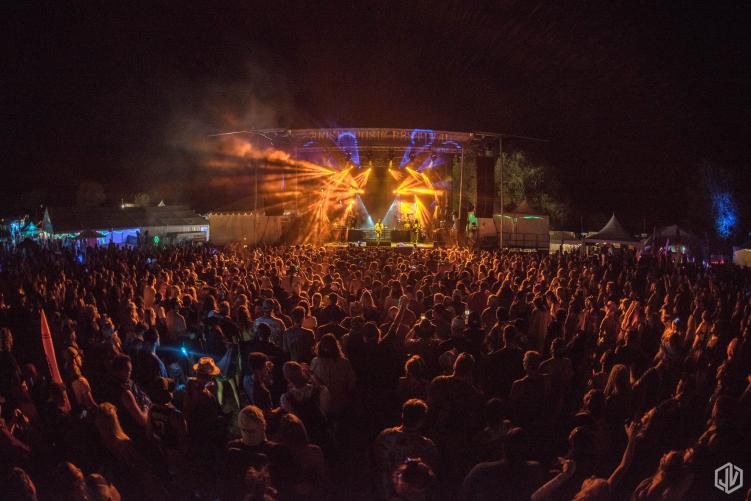
Music festivals are more than just a collection of stages in a field. They are vibrant, temporary cities built on a foundation of shared passion for music, art, and human connection. They are a place for self-expression, for freedom, and for finding your tribe. But with this freedom comes a responsibility—a collective duty to ensure that our scene is safe and respectful for every single person in it. Unfortunately, the shadow of sexual harassment and assault looms over these events, and it’s a problem we can no longer ignore.
The good news is that we have the power to change this. By fostering a culture of consent and embracing our role as active bystanders, we can transform our festival communities into the truly safe havens they are meant to be.
What is Consent? (And What It Isn’t)
Before we can build a culture of consent, we need to be crystal clear on what it means. Consent is not complicated, but it is crucial. In the simplest terms, consent is a clear, enthusiastic, and freely given “yes” to any kind of sexual activity. It’s an ongoing conversation, not a one-time permission slip.
A great way to remember the core components of consent is the “FRIES” acronym:
- Freely Given: Consent must be offered willingly, without pressure, manipulation, or the influence of drugs or alcohol. A person cannot consent if they are incapacitated.
- Reversible: Anyone can change their mind about what they want to do, at any time. Even if you’ve said yes before, you are always allowed to say no later.
- Informed: A person needs to have a clear understanding of what they are consenting to. You can’t agree to something if you’re being misled or if crucial information is withheld.
- Enthusiastic: Consent should be about wanting to do something, not about feeling like you have to or should. Look for an enthusiastic “yes,” not the absence of a “no.”
- Specific: Saying yes to one thing (like kissing) does not mean you’ve said yes to anything else (like going further).
It’s just as important to understand what consent is not. Silence is not consent. Wearing a certain outfit is not consent. Being in a relationship is not a blanket form of consent. As the national sexual assault organization RAINN clarifies, consent is about respect, communication, and boundaries [1].
The Scope of the Problem at Festivals
To understand why this conversation is so vital, we have to look at the reality of the situation. Studies have shown that sexual harassment and violence at music events are alarmingly common. Research conducted by the University of Nevada, Las Vegas, highlights that these incidents occur each year at festivals across the United States [2]. Another survey suggested that as many as six in ten U.S. music fans have experienced some form of sexual harassment or assault at a live gig [3].
Festivals, for all their magic, can present a unique set of risk factors. Large crowds can create a sense of anonymity, making it easier for predatory behavior to go unnoticed. The prevalence of alcohol and other substances can impair judgment and the ability to consent. The overall “party” atmosphere can sometimes be misinterpreted as a space where normal rules of respectful interaction don’t apply. This is a dangerous misconception that our community must actively dismantle.
Building a Culture of Consent on the Dance Floor
Creating a safer scene is a collective project, and it starts with each of us. It’s about being mindful of our own actions and being willing to step up for others.
It Starts with You: Personal Responsibility
Respect is the foundation. Be aware of personal space, especially in crowded areas like a dance floor or near the stage. Not everyone wants to be touched, even in a friendly way. Pay attention to both verbal and non-verbal cues. If someone is turning away, avoiding eye contact, or seems uncomfortable, respect that and give them space.
If you are interested in someone, communicate clearly and directly. And most importantly, be prepared to gracefully and respectfully accept “no” as an answer. A rejection is not a personal insult; it’s an assertion of a boundary, and that should always be respected.
Community and Bystander Intervention
We all have a role to play in keeping each other safe. This is the core of bystander intervention. It doesn’t mean you have to be a hero or put yourself in danger. It means recognizing a potentially harmful situation and choosing to do something about it. The organization Right To Be promotes a helpful framework called the 5Ds of Bystander Intervention [4]:
- Distract: Create a diversion to de-escalate the situation. At a festival, you could “accidentally” spill a drink, ask the person for directions to another stage, or start a conversation about the artist that’s playing. The goal is to interrupt the problematic behavior.
- Delegate: Get help from someone else. This could be the person’s friends, festival security, medical staff, or a volunteer. Find someone in a position of authority and let them know what you’re seeing.
- Document: If it is safe to do so, you can record the incident. This can be helpful for a formal report later. Be sure to capture dates, times, locations, and the people involved. Always ask the person being targeted what they want to do with the documentation.
- Delay: After the incident is over, check in with the person who was targeted. Ask if they are okay and if there’s anything you can do. Just showing your support can make a huge difference.
- Direct: This is the most assertive approach, where you speak up directly to the person causing harm. This should only be done if you feel safe and confident that it won’t escalate the situation. It can be as simple as saying, “Hey, that’s not cool, please leave them alone.”
Being part of a festival community means looking out for one another, a sentiment often shared in guides for events like the Suwanee Hulaween [5].
What to Do if Something Happens
Even with the best prevention efforts, incidents can still occur. Knowing how to respond is just as important as knowing how to prevent it.
Supporting a Survivor
If someone tells you they’ve been assaulted, the most important thing you can do is believe them. Listen without judgment and let them know that what happened was not their fault. Ask them what they need and how you can support them. Help them find a safe space and connect them with resources, whether that’s the festival’s medical tent or a friend they trust.
Seeking Help and Resources
Most festivals have dedicated medical and security staff who are trained to help. There are also often harm reduction organizations on-site, like DanceSafe or the Zendo Project, that can provide a safe and supportive space. It’s also important to know that there are legal avenues for seeking justice and holding perpetrators accountable. If you or someone you know has experienced a traumatic event at a festival and needs to understand their legal options, seeking advice from a professional like a sex assault lawyer in Las Vegas can be a crucial step in the healing and justice process [6].
The Way Forward: A Collective Effort
The magic of the festival scene is its people. We are a community bound by a love for music and a desire for connection. It is this very connection that gives us the power to create change. By embracing consent as a core value and committing to being active bystanders, we can ensure that our dance floors are safe for everyone.
Let’s have these conversations with our friends before we even get to the festival. Let’s agree to look out for each other. Let’s be the generation that makes consent and respect the loudest part of our culture. The future of our community is a shared project, and it’s one we can all be proud to build together, as highlighted by the community-focused River Beats TV [7].
References
[1] RAINN. (2025, August 28). Consent 101: Respect, Boundaries, and Building Trust. https://rainn.org/share-the-facts/consent-101-respect-boundaries-and-building-trust/
[2] University of Nevada, Las Vegas. (2023, October). Sexual Harassment and Violence at Music Concerts and Festivals. https://www.unlv.edu/sites/default/files/media/document/2023-10/Sexual-Harrassment-and-Violence-at-Music-Concerts-and-Festivals-V2.pdf
[3] BMJ Group. (2025, September 22). 6 in 10 US music fans say they have been sexually harassed/assaulted at a live gig, survey suggests. https://bmjgroup.com/6-in-10-us-music-fans-say-they-have-been-sexually-harassed-assaulted-at-a-live-gig-survey-suggests/
[4] Right To Be. The 5Ds of Bystander Intervention. https://righttobe.org/guides/bystander-intervention-training/
[5] River Beats Dance. Inside Hulaween 2026: A Stacked Lineup + Immersive Festival Experience. https://riverbeats.life/festivals/hulaween-2023-lineup-immersive-festival-experience/
[6] Drummond Firm. Sex Assault Lawyer in Las Vegas. https://www.drummondfirm.com/sexual-assault-lawyer-las-vegas/
[7] River Beats Dance. Welcome To River Beats TV, The First Electronic-Music-Focused Live Music Platform. https://riverbeats.life/watch/river-beats-tv-launch/


Music festivals are more than just a collection of stages in a field. They are vibrant, temporary cities built on a foundation of shared passion for music, art, and human connection. They are a place for self-expression, for freedom, and for finding your tribe. But with this freedom comes a responsibility—a collective duty to ensure that our scene is safe and respectful for every single person in it. Unfortunately, the shadow of sexual harassment and assault looms over these events, and it’s a problem we can no longer ignore.
The good news is that we have the power to change this. By fostering a culture of consent and embracing our role as active bystanders, we can transform our festival communities into the truly safe havens they are meant to be.
What is Consent? (And What It Isn’t)
Before we can build a culture of consent, we need to be crystal clear on what it means. Consent is not complicated, but it is crucial. In the simplest terms, consent is a clear, enthusiastic, and freely given “yes” to any kind of sexual activity. It’s an ongoing conversation, not a one-time permission slip.
A great way to remember the core components of consent is the “FRIES” acronym:
It’s just as important to understand what consent is not. Silence is not consent. Wearing a certain outfit is not consent. Being in a relationship is not a blanket form of consent. As the national sexual assault organization RAINN clarifies, consent is about respect, communication, and boundaries [1].
The Scope of the Problem at Festivals
To understand why this conversation is so vital, we have to look at the reality of the situation. Studies have shown that sexual harassment and violence at music events are alarmingly common. Research conducted by the University of Nevada, Las Vegas, highlights that these incidents occur each year at festivals across the United States [2]. Another survey suggested that as many as six in ten U.S. music fans have experienced some form of sexual harassment or assault at a live gig [3].
Festivals, for all their magic, can present a unique set of risk factors. Large crowds can create a sense of anonymity, making it easier for predatory behavior to go unnoticed. The prevalence of alcohol and other substances can impair judgment and the ability to consent. The overall “party” atmosphere can sometimes be misinterpreted as a space where normal rules of respectful interaction don’t apply. This is a dangerous misconception that our community must actively dismantle.
Building a Culture of Consent on the Dance Floor
Creating a safer scene is a collective project, and it starts with each of us. It’s about being mindful of our own actions and being willing to step up for others.
It Starts with You: Personal Responsibility
Respect is the foundation. Be aware of personal space, especially in crowded areas like a dance floor or near the stage. Not everyone wants to be touched, even in a friendly way. Pay attention to both verbal and non-verbal cues. If someone is turning away, avoiding eye contact, or seems uncomfortable, respect that and give them space.
If you are interested in someone, communicate clearly and directly. And most importantly, be prepared to gracefully and respectfully accept “no” as an answer. A rejection is not a personal insult; it’s an assertion of a boundary, and that should always be respected.
Community and Bystander Intervention
We all have a role to play in keeping each other safe. This is the core of bystander intervention. It doesn’t mean you have to be a hero or put yourself in danger. It means recognizing a potentially harmful situation and choosing to do something about it. The organization Right To Be promotes a helpful framework called the 5Ds of Bystander Intervention [4]:
Being part of a festival community means looking out for one another, a sentiment often shared in guides for events like the Suwanee Hulaween [5].
What to Do if Something Happens
Even with the best prevention efforts, incidents can still occur. Knowing how to respond is just as important as knowing how to prevent it.
Supporting a Survivor
If someone tells you they’ve been assaulted, the most important thing you can do is believe them. Listen without judgment and let them know that what happened was not their fault. Ask them what they need and how you can support them. Help them find a safe space and connect them with resources, whether that’s the festival’s medical tent or a friend they trust.
Seeking Help and Resources
Most festivals have dedicated medical and security staff who are trained to help. There are also often harm reduction organizations on-site, like DanceSafe or the Zendo Project, that can provide a safe and supportive space. It’s also important to know that there are legal avenues for seeking justice and holding perpetrators accountable. If you or someone you know has experienced a traumatic event at a festival and needs to understand their legal options, seeking advice from a professional like a sex assault lawyer in Las Vegas can be a crucial step in the healing and justice process [6].
The Way Forward: A Collective Effort
The magic of the festival scene is its people. We are a community bound by a love for music and a desire for connection. It is this very connection that gives us the power to create change. By embracing consent as a core value and committing to being active bystanders, we can ensure that our dance floors are safe for everyone.
Let’s have these conversations with our friends before we even get to the festival. Let’s agree to look out for each other. Let’s be the generation that makes consent and respect the loudest part of our culture. The future of our community is a shared project, and it’s one we can all be proud to build together, as highlighted by the community-focused River Beats TV [7].
References
[1] RAINN. (2025, August 28). Consent 101: Respect, Boundaries, and Building Trust. https://rainn.org/share-the-facts/consent-101-respect-boundaries-and-building-trust/
[2] University of Nevada, Las Vegas. (2023, October). Sexual Harassment and Violence at Music Concerts and Festivals. https://www.unlv.edu/sites/default/files/media/document/2023-10/Sexual-Harrassment-and-Violence-at-Music-Concerts-and-Festivals-V2.pdf
[3] BMJ Group. (2025, September 22). 6 in 10 US music fans say they have been sexually harassed/assaulted at a live gig, survey suggests. https://bmjgroup.com/6-in-10-us-music-fans-say-they-have-been-sexually-harassed-assaulted-at-a-live-gig-survey-suggests/
[4] Right To Be. The 5Ds of Bystander Intervention. https://righttobe.org/guides/bystander-intervention-training/
[5] River Beats Dance. Inside Hulaween 2026: A Stacked Lineup + Immersive Festival Experience. https://riverbeats.life/festivals/hulaween-2023-lineup-immersive-festival-experience/
[6] Drummond Firm. Sex Assault Lawyer in Las Vegas. https://www.drummondfirm.com/sexual-assault-lawyer-las-vegas/
[7] River Beats Dance. Welcome To River Beats TV, The First Electronic-Music-Focused Live Music Platform. https://riverbeats.life/watch/river-beats-tv-launch/
Related Content: